Amit Kumar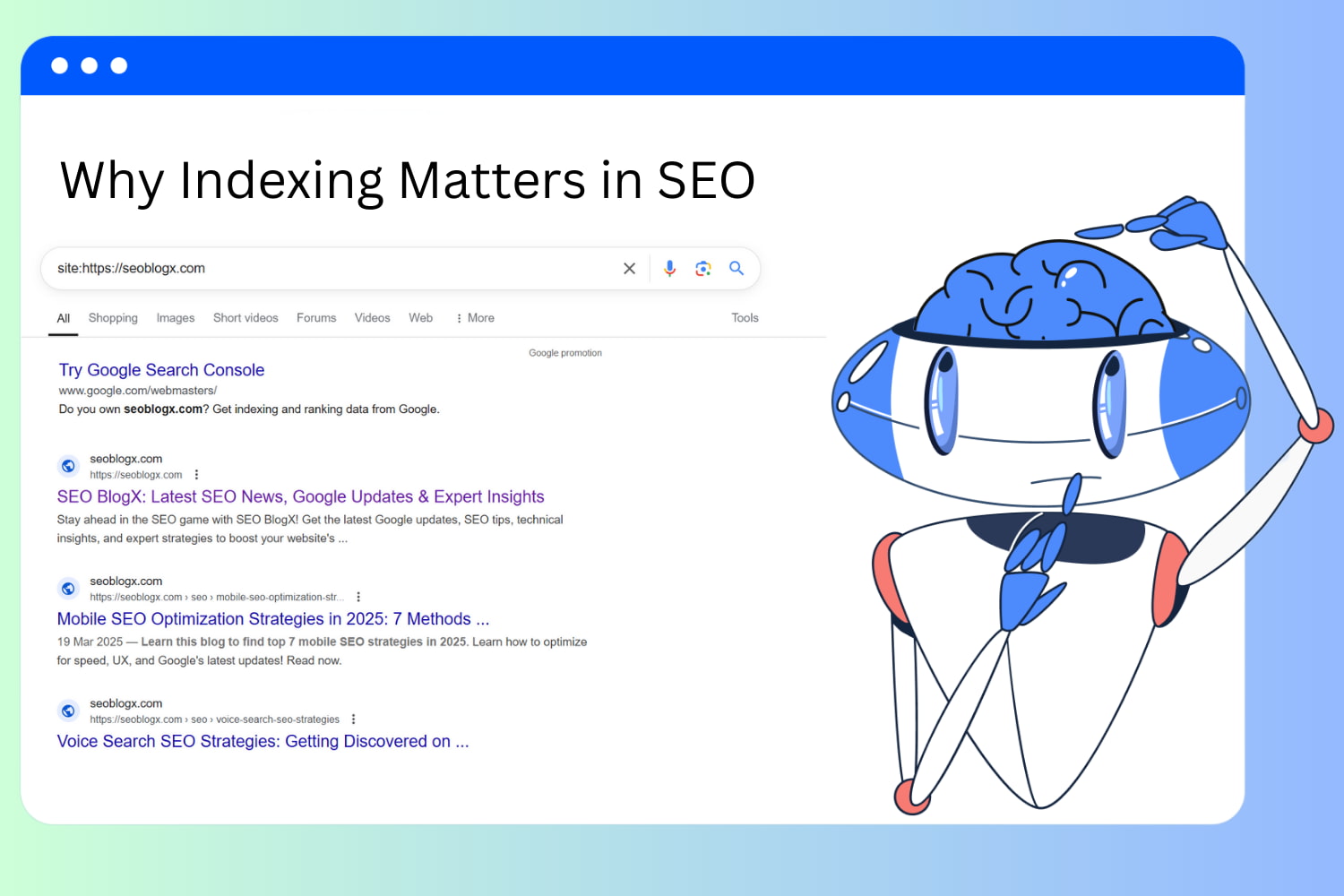
Indexing is an integral part of search engine optimization (SEO) that makes your pages discoverable to search engines such as Google. Indexing is the part of how search engines crawl, analyze, and store content from the web. Without indexing, the content is invisible to the search engine and cannot be found by the intended audience. In this blog, we will discuss why indexing is important for SEO, and how to make sure your content gets indexed properly.
What is Indexing?
Indexing means search engines crawling your website, reading the content, and storing it in the search engines database, which is called an index. When a page is indexed, it can show in search engine results pages (SERPs) when someone does a relevant search. Without indexing, your website won’t show up in search results, and that means users won’t be able to find your content, no matter how well-optimized it is.
The Importance of Indexing in SEO
Improved Placement in Search Results
The most significant reason that indexing plays an important role is that it makes the website discoverable by search engines. If your website is not indexed then it is not going to show in search results until your content is fully optimized.
Content Accessibility for Search Engines
Crawlers used by search engines crawl your website to index your content. With proper indexing your website can be easily pulled up and displayed by search engines to users when queried by the user.
Ranking and Organic Traffic
Once indexed, your content can rank in search results. Ranking is related to content indexing, which impacts organic traffic. Correct indexing increases the chances of ranking your website in search engines, therefore most visitors will visit your website.
In Short no indexing = no visibility = no traffic
Research-Quality Recommendations More Quickly
Search engines always crawl and index new content. Faster indexing means your pages can be found and shown in search results more quickly. This is particularly true when you are publishing fresh blog posts or pages since it helps get visitors as soon as the content can be found.
Also Read: Technical SEO Checklists: A Beginner’s Guide to SuccessHow to Get Your Content Indexed
Submit Your Sitemap
Sitemap is a file containing all the pages of your website. You can submit your sitemap to Google Search Console or Bing Webmaster Tools which allows search engines to crawl and index your content properly.
Create Accessible Robots. txt File
Your robots. txt file tells search engines which pages they can and cannot crawl. Ensure this file is configured properly because it should not block important pages from being indexed. A properly configured robot.
Fix Crawl Errors
If search engines can’t access your pages, they can’t be indexed: crawl errors. Monitor and fix any crawl errors in Google Search Console, including broken links or server problems. Correcting these mistakes will help ensure your content is indexed.
Improve Internal Linking
Further, internal linking minimizes the difficulty of finding the pages by search engine bots. This helps ensure that those important pages are crawled and indexed. An up-to-date and systematic internal linking structure increases your overall visibility and indexing.
Regularly Update Your Content
Search engines like new content, especially if relevant. Consistently creating fresh posts, articles, or pages indicates to search engine spiders that your website is one worth looking at. Updating your content regularly gives you a higher chance of getting indexed and ranking better.
Indexing Problems: Common Reasons for Non-Indexing
Noindex Tags
A “noindex” meta tag on a page indicates that the page should not be indexed by search engines. Audit your pages to make sure the “noindex” tag is not being mistakenly added to content you want to be indexed.
Duplicate Content
Duplicate content may confuse the search engine, in the other hand harming your site in being able to get indexed. If you have similar pages with similar content on, show which page is the preferred version using canonical tags.
Blocked by Robots.txt
It is important that these pages are not being blocked from being crawled by any search engine bots via your robots. Review your robots. txt file on a regular basis to make sure it isn’t accidentally blocking indexing.
Slow Crawl Time
Big websites with tons of pages might take longer to crawl, possibly deferring the indexing. Using pagination and optimizing website structure helps search engines crawl the site more effectively.
Also Read: Google May Deindex Pages If User Engagement is Low PagesConclusion
SEO needs indexing because it shapes whether your website is appearing on search results. Because without indexing, search engines will not find your content, and your site will be unable to rank for relevant queries.
This means ensuring your website is indexed correctly by Google; be sure to submit your sitemap, resolve crawl errors, and optimise your robots. You deal with the last modification of your .txt file, and keeping something up to date and relevant. Tackling these points will help you improve your ranking, get more organic traffic on your site, and help you accomplish your SEO goals.